
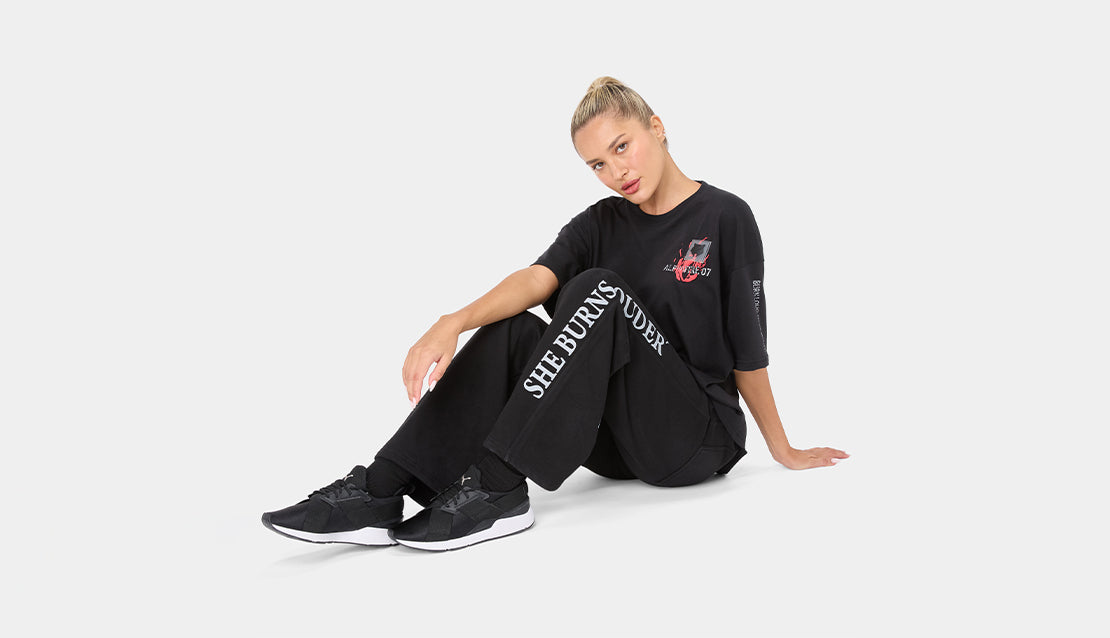
Choosing the right workout bottoms is not simply a matter of style. The type of women's activewear worn during exercise can directly affect comfort, movement quality, performance, and post-workout recovery. Women's leggings and women's joggers are two of the most commonly used options, yet they are designed with different functions in mind.
In this detailed comparison, we analyze their performance across strength training, running, and recovery to help you decide which option best suits your fitness goals and lifestyle.
Understanding the Core Differences
Fabric Construction and Stretch
Leggings for women are typically made from high-stretch fabrics that conform closely to the body. This construction allows consistent movement in multiple directions and helps the garment maintain its shape during repeated motion. The fabric is designed to stretch and recover without sagging, even during demanding workouts.
Best Fabrics for Leggings
-
Polyester–spandex blends
-
Nylon–spandex blend
-
Compression fabrics
-
Moisture-wicking technical fabrics
Key Features of Leggings
-
Tight, second-skin fit
-
High elasticity and stretch
-
Compression support for muscles
-
Minimal fabric movement
These are athletic pants designed with a relaxed fit, elastic waistband, and tapered legs that usually end with elastic cuffs at the ankles. Originally inspired by track pants, this style has evolved into versatile bottoms worn both in and out of the gym.
Best Fabrics for Joggers
-
Cotton–polyester blends
-
Fleece-lined fabrics
-
Performance polyester blends
Key Features of Joggers
-
Loose to semi-fitted silhouette
-
Elastic or drawstring waistband
-
Ankle cuffs for tapered support
-
Often includes pockets
Performance During Strength and Weight Training
Why Leggings Perform Better for Lifting
Strength training requires stability, balance, and controlled movement. Women gym Leggings support these during exercises such as squats, deadlifts, lunges, and step-ups. Their close fit allows the body to move naturally without fabric pulling or shifting.
Many people also find that leggings provide better awareness of posture and alignment, which is especially important during technical lifts. This can help maintain proper form and reduce unnecessary adjustments during training.
Benefits of leggings for lifting include:
-
Full range of motion without fabric restriction
-
Compression support that enhances muscle stability
-
Reduced fabric shifting during heavy lifts
-
Better sweat absorption during intense sessions
When Joggers May Be Acceptable in the Gym
Joggers can still be worn during lifting sessions that involve lighter loads or less complex movement. They are commonly used during warm-ups, mobility drills, or upper-body-focused workouts. However, for heavy lifting or lower-body training, their loose structure may feel limiting or distracting.
Joggers are better for lifting when:
-
The fabric includes stretch or performance blends
-
The workout intensity is moderate
-
Comfort is prioritized over performance

Running and Cardio Performance Comparison
Leggings for Running Efficiency
Running involves repetitive motion, heat generation, and friction. Sport Leggings are well-suited for these conditions due to their streamlined design. They reduce resistance, limit skin irritation, and help regulate moisture during both short and long runs.
Many running leggings are also designed to adapt to temperature changes, making them suitable for indoor cardio sessions as well as outdoor runs in varying conditions.
Advantages for runners:
-
Reduced air resistance and fabric drag
-
Minimal chafing during long-distance runs
-
Efficient sweat evaporation
-
Better performance in warm or moderate climates
Joggers for Casual or Low-Intensity Cardio
Joggers for women can be comfortable for walking, light jogging, or short cardio sessions. They are often preferred in cooler weather or during relaxed movement. However, during high-speed or long-distance running, joggers may trap heat or restrict efficient movement due to excess fabric.
Limitations of joggers for running:
-
Increased friction during stride cycles
-
Heavier fabrics may retain heat and sweat
-
Less effective for speed and endurance runs
Recovery and Post-Workout Wear
Comfort Benefits of Joggers During Recovery
After intense exercise, the body benefits from reduced pressure and unrestricted comfort. Joggers are widely preferred during recovery periods because their relaxed fit allows muscles to rest naturally. They are comfortable to wear for extended periods and are well-suited for cooldowns, rest days, and daily activities.
Recovery benefits include:
-
Enhanced comfort for sore muscles
-
Better relaxation and lounging experience
-
Ideal for post-workout wear and travel
Compression and Recovery Support from Leggings
Some compression leggings women wear are designed to provide light compression, which may help promote circulation during short recovery periods. This can be useful immediately after training. However, leggings are generally worn for structured activity rather than long-term relaxation, where comfort becomes the priority.
However:
-
Some users find them restrictive for extended wear
-
Less comfortable for lounging or sleeping
Breathability and Temperature Regulation
Managing Heat During Workouts
Leggings are often engineered with moisture-managing materials that help regulate body temperature during exercise. This makes them suitable for high-intensity training sessions where sweat control is important.
Joggers vary more widely in this area. Some are breathable and lightweight, while others are thicker and better suited for colder environments. Their effectiveness depends largely on fabric choice and intended use.
Everyday Wear and Lifestyle Use
Versatility Beyond the Gym
Joggers are often chosen for their ability to transition easily between workouts and daily life. Their relaxed appearance and comfort make them suitable for casual wear, travel, and extended use outside the gym.
Leggings, while highly functional, are more activity-focused. Some people wear them casually, but they are generally designed with performance rather than all-day wear in mind.
Durability and Long-Term Use
Wear Resistance and Maintenance
The best leggings for women provide comfort in repeated stretching and friction. Reinforced seams and durable fabrics help maintain performance over time. However, lower-quality leggings may lose shape or transparency after frequent washing.
Joggers tend to experience less stretching stress but may wear out at high-friction points such as the inner thighs. Proper care and fabric quality play a significant role in longevity for both options.
Choosing the Right Option Based on Your Goals
Matching Activewear to Training Style
Those focused on performance-driven workouts, such as strength training or running, often benefit more from leggings. Sports leggings for women are designed with a structured fit that supports movement precision, stability, and overall workout efficiency, helping athletes stay comfortable and focused during training.
Individuals who prioritize comfort, recovery, or flexible daily wear may prefer this option. Women in joggers enjoy relaxed movement and everyday versatility, and many people choose to own both styles to suit different activities and stages of their routine.
Final Conclusion
Joggers and leggings are designed to serve different purposes, and neither is universally better than the other. Leggings are generally more effective for lifting, running, and high-intensity training due to their stability and movement support. Best Joggers for women excel in comfort, recovery, and everyday wear, where relaxation and versatility matter most.
Choosing Apex Wolf for the right workout bottoms depends on activity level, personal comfort preferences, and how the garment will be used throughout the day. A balanced activewear wardrobe often includes both, allowing flexibility across training, recovery, and daily life.
FAQs
Are joggers good for squats?
Joggers can work for squats if they are made from stretchable fabric, but leggings offer better mobility and stability.
Do leggings improve workout performance?
Yes, high-quality leggings improve mobility, reduce muscle fatigue, and manage sweat more effectively.
Can I run in joggers?
You can run in joggers for short or cold-weather runs, but leggings are better for long-distance or high-intensity running.
Are leggings better than joggers for the gym?
Leggings are generally better for gym workouts involving dynamic movements and heavy lifting.
What fabric is best for workout bottoms?
Nylon or polyester blends with spandex provide the best balance of durability, stretch, and moisture-wicking.
Share:
What Buyers Look For Before Purchasing a Sports Bra (2026 Guide)